Month-by-month decision guide · Center Hill Lake
The Best Time to Visit Center Hill Lake
Choose the month by audience fit, waterfall behavior, boating reality, fishing, crowds, closures, daylight and weather—not by a generic four-season promise.
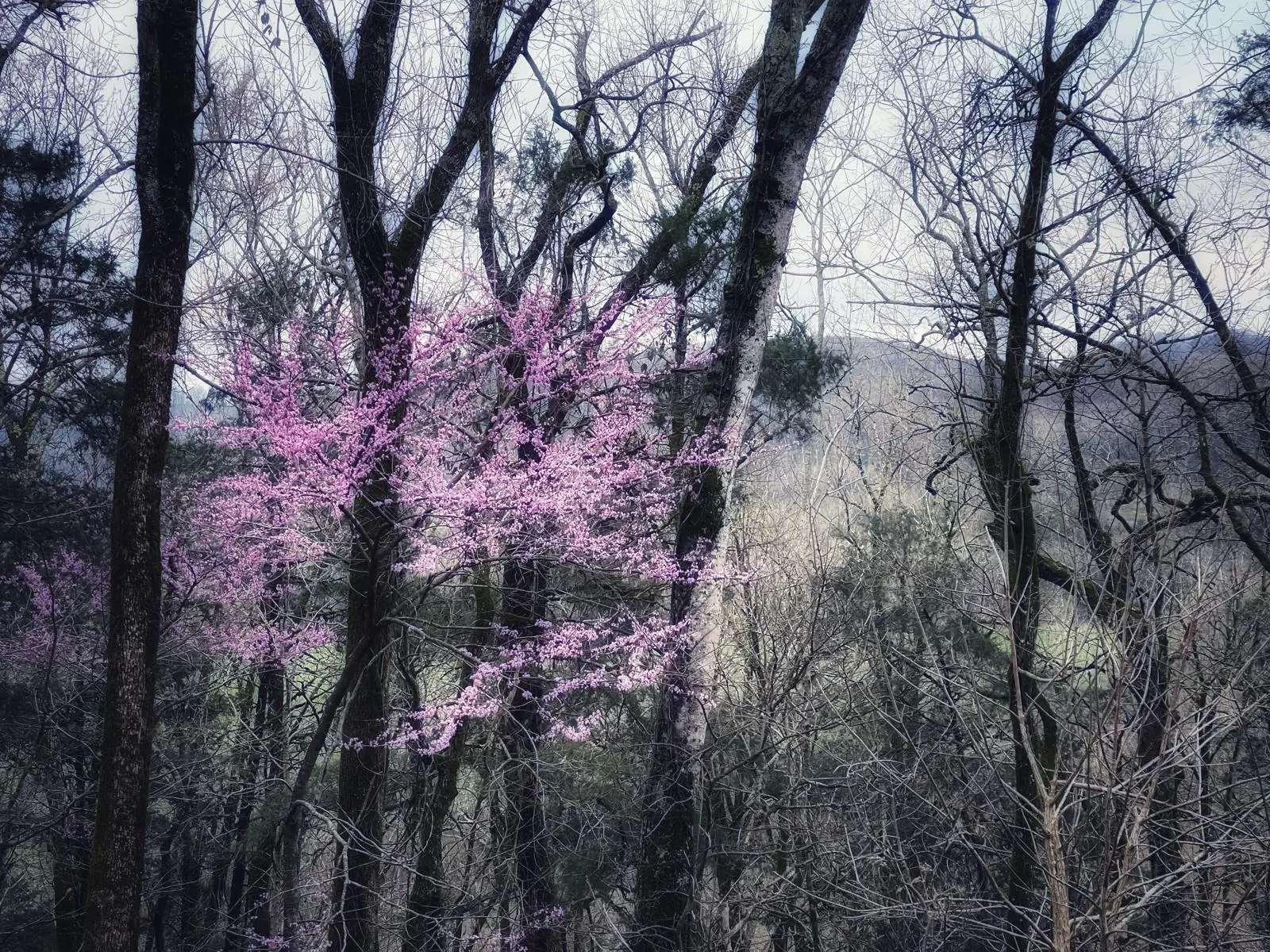
There is no universally best month. There is a best month for the trip you actually want.


01
Water · Falls · Color · Quiet
Choose the consequence you value most
- Best all-around first visit
- Late May, early June or a September weekday
- Best waterfall odds
- March and April, subject to rain, closures and unsafe high water
- Best warm-water trip
- Late June through August, with peak weekend traffic and storm risk
- Best hiking weather
- April, May, October and early November
- Best fall-color chance
- Usually mid-October into early November—but never guaranteed
- Best quiet retreat
- January, February, late November and December
If boating is the anchor, continue with On the Water. If you are building a balanced first trip, use Tony’s Perfect 48 Hours.
02
Deep quiet · Open views · Cold-water caution
January

Best for: couples, readers, photographers and property-first retreats. Leaf drop opens views and winter rain can wake waterfalls, but ice, slick trails and short daylight can erase an outdoor plan.
Lake and fishing: casual swimming is out; boating is for prepared cold-water users. Experienced anglers may value winter patterns, but current local guidance matters. Expect reduced marina and seasonal-business hours.
03
Quiet roads · Variable rain · Early signs of spring
February
Best for: low-crowd cabin time and flexible waterfall watchers. A mild afternoon can feel like spring; the next morning can bring freezing conditions.
Tradeoffs: waterfalls depend on recent precipitation, trails may be muddy, and seasonal services remain limited. Fishing interest begins to build, but air temperature is a poor guide to water safety.
04
Moving water · Layers · Unstable forecasts
March
Best for: waterfall-focused adults, hikers with weather flexibility and anglers following current conditions. Spring rain can produce powerful falls and closures in the same week.
Boating reality: marinas may be ramping up rather than operating at summer capacity. Confirm rentals, fuel, restaurants and launch procedures directly. Keep a rainy-day replacement plan.
05
Wildflowers · Waterfalls · Thunderstorms
April
Best for: hikers, waterfall visitors, families comfortable with a weather pivot and travelers who prefer cool activity days. Trees green quickly and daylight improves.
Tradeoffs: wet rock, creek levels, mud and thunderstorms can change access. Fishing can be productive as conditions shift. Check the waterfall comparison hub rather than choosing by photograph.
06
Best balance · Fresh green · Holiday pressure
May
Best for: first visits, mixed groups, hikers, couples and families wanting both land and water options. Waterfalls may retain spring presence while lake days become more realistic.
Boating and crowds: rental fleets and marina services are more dependable, but Memorial Day sharply raises lodging, ramp and marina demand. Reserve equipment early and keep midday launch congestion out of the plan.
07
Long daylight · Water season · Growing heat
June
Best for: boaters, paddlers, swimmers and families whose main goal is the lake. Early June often gives the best balance before the heaviest summer heat.
Fishing and weather: fish early or late as water warms. Afternoon thunderstorms become a serious operational concern; lightning and wind end a water session. Popular boats and weekend slips should be reserved.
08
Peak lake · Peak demand · Heat
July
Best for: groups committed to boating, swimming and a water-led schedule. July 4 is one of the highest-pressure periods for rentals, ramps, coves, roads and lodging.
Tradeoffs: exposed trails can be punishing, afternoon storms arrive quickly and waterfall flow may be modest between rain events. Fish and launch early; keep the hottest hours shaded or on the water with proper protection.
09
Warm water · Humidity · Earlier starts
August
Best for: warm-water visitors who can plan around heat and storms. Lake use remains central, while crowds may ease outside weekends and the school-calendar transition.
Tradeoffs: waterfall reliability is rain-dependent, trails can be hot and buggy, and fishing often favors early, late or deeper-water strategies. Verify marina hours rather than assuming July schedules continue unchanged.
10
Useful water · Cooler mornings · Easing pressure
September
Best for: couples, adult groups, anglers and mixed itineraries that want one real lake day without full midsummer intensity. Weekdays after Labor Day are especially strong.
Closures and daylight: water can remain inviting, but some marina restaurants, rentals and seasonal services begin reducing hours. Sunset arrives earlier than summer habits suggest, so set a disciplined return time.
11
Hiking · Foliage uncertainty · Event weekends
October
Best for: hikers, scenic drivers, couples and travelers who care more about the hills than swimming. Color often develops through the month, but heat, drought, rain, wind and elevation can shift or shorten the peak.
Crowds and falls: popular fall weekends and festivals can fill lodging and restaurants. Waterfalls depend on recent rain. Use current events and the history guide to build a day that is not dependent on perfect leaves.
12
Leaf drop · Holiday gatherings · Short days
November
Best for: quiet hikes, open views, family gatherings and travelers who accept a property-led trip. Early November may still hold color; later dates should not be sold as a foliage guarantee.
Operations: casual boating recedes and seasonal hours narrow. Thanksgiving can create lodging demand even while attractions are quiet. Verify restaurants, parks and marina services before relying on them.
13
Gathering season · Cabin time · Weather margin
December
Best for: couples, families cooking together and low-pressure year-end retreats. The strongest version uses one daylight outing, one meaningful meal and plenty of time at the place you stay.
Tradeoffs: cold rain, wind, early darkness and holiday closures can reshape the day. Download directions, allow rural-road margin and confirm every event or restaurant with the operator.
14
Forecast · Alerts · Hours · Water level
Let current conditions make the final decision
Before leaving, check the National Weather Service forecast, official park alerts, Corps notices, marina procedures, sunrise and sunset, and the operator’s current hours. A seasonal pattern is context, not a guarantee.
Next choose where to stay, compare the main things to do, or build a no-boat visit.
Check the conditions behind the calendar
These monthly recommendations are planning judgments, not a forecast or a promise of open facilities. Before booking, use the managing agencies and operators below; repeat the checks the day before an outdoor trip.
- Water level and recreation access: start with the U.S. Army Corps of Engineers’ Center Hill Lake information for recreation areas and lake-management contacts. A lower lake can change shoreline access and ramp usability; a reservation does not establish that your preferred launch is suitable for your rig.
- Rain, heat and lightning: use the National Weather Service forecast near Smithville. A rainy spring can improve waterfall flow while making a creek crossing unsafe. A warm afternoon does not make winter or early-spring lake water safe for an unplanned immersion.
- Boats and marina food: Hurricane Marina lists rentals, guest slips and its current dining information. Check each service separately for your date: rental pickup and return windows, restaurant hours, fuel and slip access need not match. Reserve a summer holiday boat before building the itinerary around it.
- Park access: check Burgess Falls, Rock Island, and Cummins Falls for current notices. Cummins gorge entry and an overlook visit are different plans. Rock Island river access can be affected by releases. Do not interpret more water as permission to enter.
- Fishing: use TWRA’s fishing information and current regulations for licenses, species rules and limits. Ask a local guide or marina about recent conditions; month alone does not predict depth, presentation or catches.
- Autumn and winter: use the Tennessee State Parks website to check your chosen park’s current events and notices. Leaf color varies with elevation, rain, drought and wind. Book for a fall walk and a comfortable stay, not a guaranteed peak-color weekend. Winter daylight, icy steps and reduced food options can matter more than the afternoon temperature.
Practical test: identify one open anchor, one meal that is actually available and a weather-safe substitute before committing to a date. Keep Rainy-Day Rescue as a backup, not an afterthought.